
For surgeons whose expertise has outgrown the systems built to contain it.

MEET THE SURGEON REPUTATION ARCHITECT
matthew ray scott
I'm Matthew Ray Scott — and since 2010, I've done one thing: I help surgeons become legible to the audiences that matter. Patients who should be choosing them. Peers who should be citing them. Industry executives who should be putting them on advisory boards and speaking platforms.
This isn't personal branding. It's reputation architecture — and it's a category I built because nothing that existed could do what surgeons actually needed.
I've completed more than 560 surgeon engagements across orthopedic, spine, neurosurgery, and interventional pain. Every month, my team develops positioning strategy for surgeons and leads brand architecture for medical technology companies launching into a market that rewards clarity and punishes ambiguity.
I've worked with top orthopedic and spine companies around the world — not as a marketing vendor, but as the strategic layer between clinical innovation and market legibility. When a company needs a surgeon's reputation to carry a technology into the market, they call us.
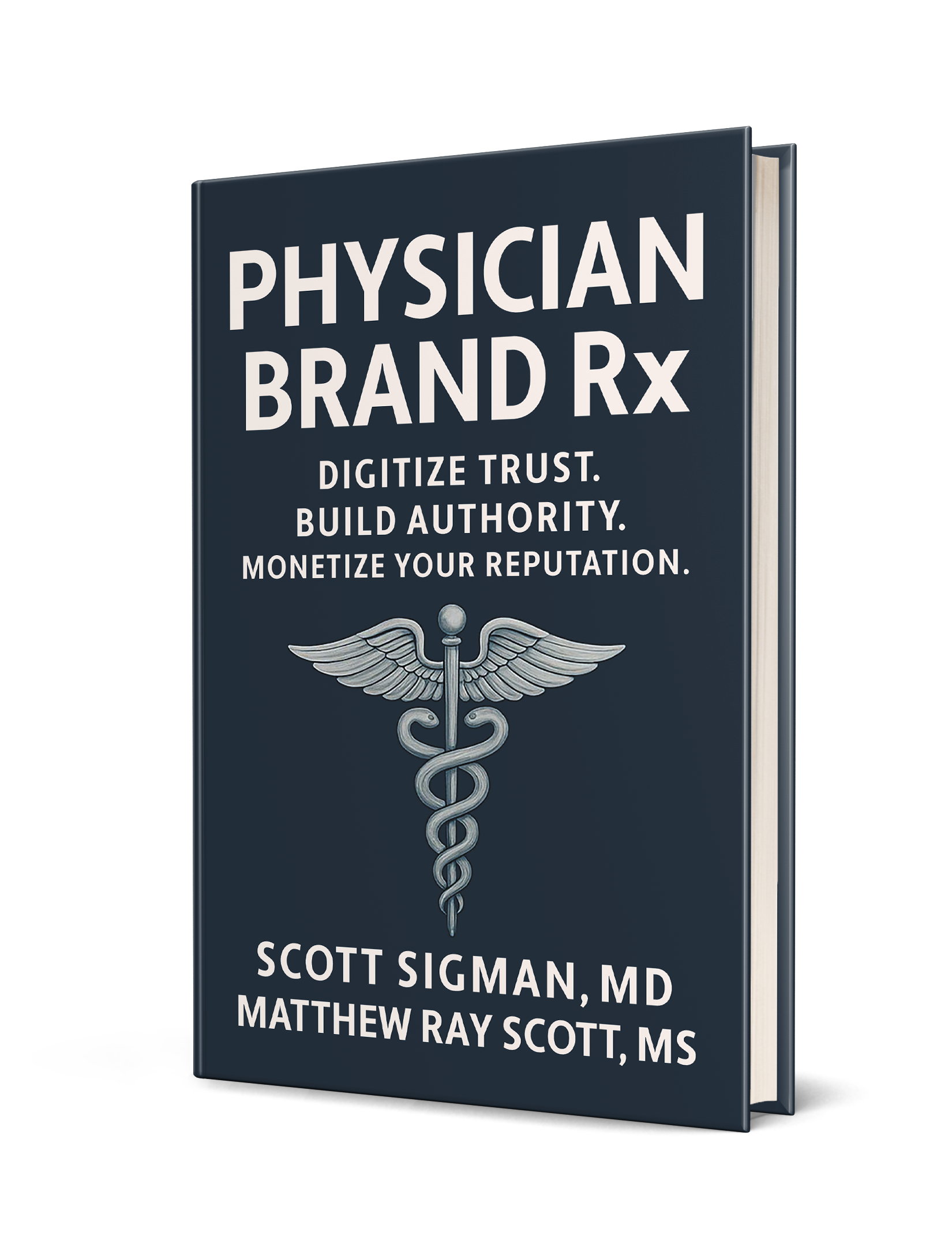
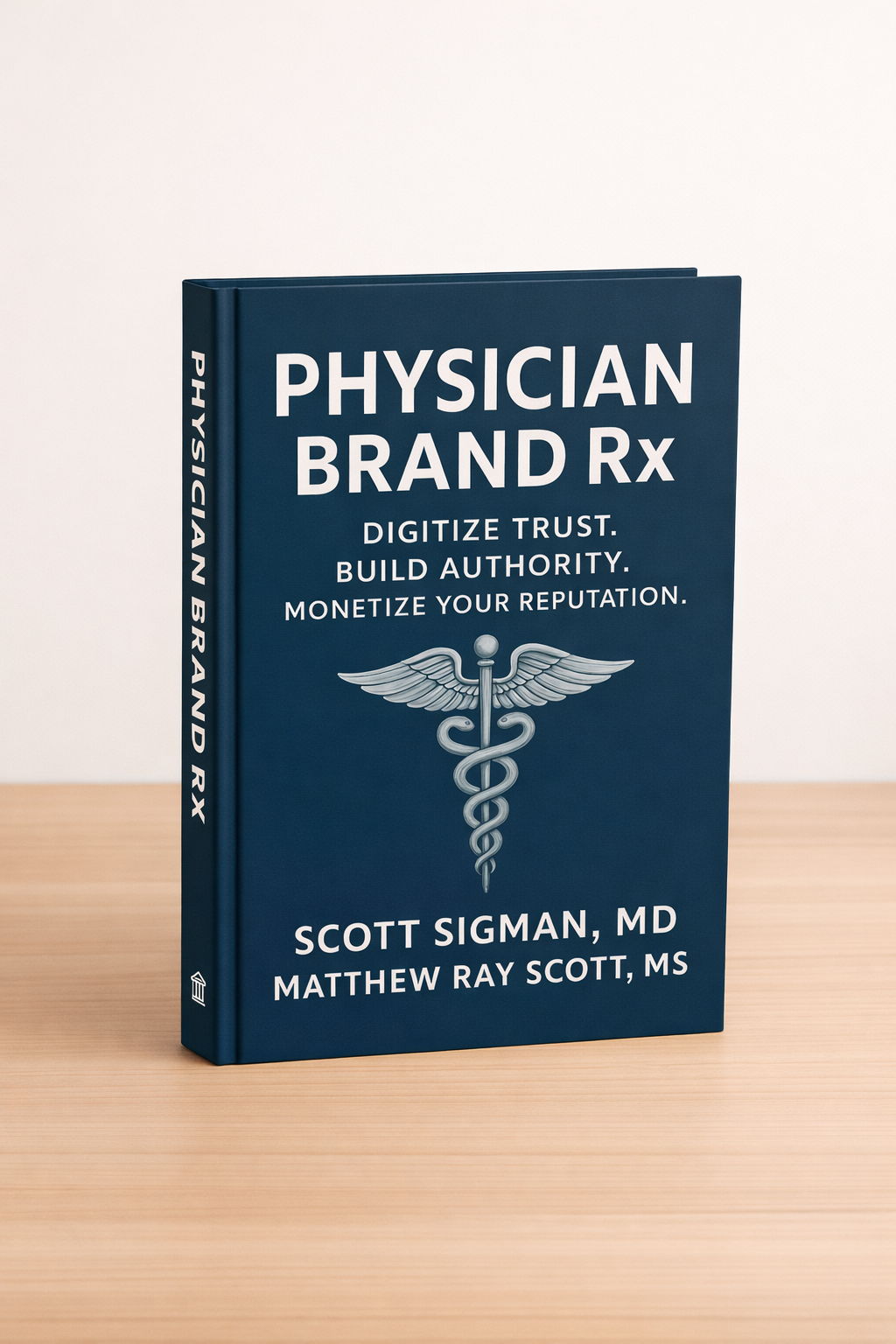
I co-authored Physician Brand Rx with Dr. Scott Sigman — a blueprint for what happens when a surgeon stops trying to be visible and starts building something that can be read. Our healthcare brand agency - FEED - was voted Best Cause Marketing Agency by The American Marketing Association.
The surgeons I work with aren't struggling because they lack ideas. They're struggling because no one has ever shown them what they're actually known for - and whether the market can articulate it back.
That's the diagnosis. The work is fixing it.







Expertise is assumed.
Perspective is what differentiates.
You spent fifteen years building clinical expertise that produces real outcomes for real patients. Physician Brand Rx is the system that translates that expertise into a reputation you own, a body of work that compounds, and authority that travels beyond the walls of any institution that currently holds it.
This is not about becoming an influencer. It is about becoming illegible to no one.

the gap nobody names
The medical education system is extraordinary at producing clinical excellence and almost completely silent on what happens to that excellence once it exists. Twelve years of training, residency, and fellowship produce a physician of remarkable capability and virtually zero instruction on how to translate that capability into authority that travels, income that compounds, or influence that outlasts a surgical career.
The system produces the asset. Then it leaves the surgeon to figure out alone, and usually late, that the asset was always theirs to manage.

the kol problem
The KOL model that has governed physician influence for the past three decades was never designed with the physician's interests at its center. It was designed with the manufacturer's interests at its center. A Key Opinion Leader is selected by an external party based on criteria that serve that party's commercial objectives. The surgeon's role is to be found worthy of selection.
The model produces influence for the institution and exposure for the physician. Those are not the same thing and they do not produce the same outcomes.
You may feel:
-
Invisible
Invisible online while less experienced surgeons are everywhere
-
Dependent
Dependent on hospital marketing that does not understand your subspecialty
-
Unsure
Unsure how to show up on LinkedIn and video without look self-promotional
-
Frustrated
Frustrated that MedTech knows you are a thought leader but has no clear platform to amplify you
-
Concerned
Concerned that if you stop operating, your income and impact stop with you

Before going further: this is not an argument for becoming an influencer. It is not a case for posting three times a week, chasing engagement metrics, or performing expertise on platforms designed for entertainment. Most of what passes for physician influence on social media is noise, and surgeons are right to dismiss it.
wHAT THIS IS NOT:
This is an argument for something older and more serious. The deliberate stewardship of expertise that took decades to build, so that it serves your interests and your patients' interests rather than disappearing quietly when someone else decides your usefulness has expired.
Reputation should be engineered, not hoped for.
Physicians don’t need to be louder to stand out. They need to be clearer about the problem they solve.
They have built a point of view refined by thousands of cases and decades of outcomes. They have opinions about where their specialty is heading, what the literature is getting wrong, what patients are not being told, and what the next generation of surgeons needs to understand that nobody is teaching them.
That body of thinking is not a social media strategy. It is an intellectual legacy. And right now, for most surgeons, it exists only inside their head, expressed only in the rooms they happen to be standing in.
the question worth sitting with
Not whether you want to be an influencer. The question is whether the ideas you have spent a career developing should shape the field you practice in, or whether someone else's ideas should. Whether your expertise serves your interests and your patients' interests for the full arc of your career, or whether it serves the interests of whoever was paying attention when you weren't.
Whether the reputation you built one patient, one outcome, and one peer relationship at a time belongs to you in any meaningful sense.
what Physician Brand Rx Produces
Reputation architecture is not about building an audience. It is about building a body of work, a defined point of view, and a set of relationships and platforms that you initiate and control rather than wait to be invited into.
A surgeon practicing reputation architecture might write the definitive paper on a narrowly contested clinical question in their specialty. They might develop a training curriculum that carries their name and methodology into programs they will never visit. They might build an advisory practice with two or three medtech partners they chose based on alignment with their clinical philosophy rather than whoever called first. They might write a book. They might speak on stages that sought them out.
None of that requires a posting schedule. All of it requires intention.
Four Outcomes. One System.
-

Category Leadership
When a surgeon owns a category, they stop competing and start being sought out. They become the name associated with a specific surgical approach, philosophy or innovation.
-

Thought Leadership
Publishing ideas that make peers, residents and industry professionals pay attention to what you think, not just what you do.
-

Media Authority
A body of work that makes journalists, conference organizers and specialty society leaders come to you instead of you chasing them.
-

Medtech Monetization
The kind of visible, articulate authority that turns a device company’s interest into a consulting agreement on your terms, not theirs.
The Method
Most physicians who come to Physician Brand Rx have tried something before. A LinkedIn post here. A podcast episode there. A speaker submission that went nowhere. The content existed. The strategy did not. And without strategy, content produces activity without architecture, visibility without clarity, and presence without authority.
Physician Brand Rx begins where every good clinical encounter begins. With a diagnosis.

Diagnose
Before a single piece of content is created, we identify the gap between the reputation you have built inside your specialty and the authority the broader market can currently access. We examine your clinical point of view, your existing positioning, your competitive landscape, and the specific opportunities your expertise is positioned to capture but currently cannot reach.
Most surgeons discover in this stage that the problem was never visibility. It was legibility. The market could not read who they were and why it mattered.

Category, language, and reputation architecture are designed before any content is deployed. We define the specific territory you are built to own, the language that makes your point of view unmistakable, and the content framework that translates your clinical thinking into authority that compounds over time.
Clarity before content. Precision before presence. Everything else is expensive noise.
Design

Deploy
With architecture in place, content becomes a system rather than a series of disconnected attempts. Thought leadership deploys across the platforms and channels where your specific audience lives, in a voice that sounds like you at your most precise rather than a version of you optimized for engagement metrics.
The reputation compounds. The surgeon does not have to be loud. They have to be unmistakable.

HOW SURGEONS ENGAGE
Both paths begin with clarity. Neither begins with posting.
-
A focused diagnostic and design engagement that defines your category, clarifies your language, and builds your complete reputation architecture. This is the foundational engagement for surgeons who are ready to understand exactly what they own and how to deploy it. You leave with a complete strategic blueprint built around your specific expertise, your specific market, and your specific goals.
You’ll receive a personalized strategy that codifies what category you own. A clinical archaeology of your fingerprint, a defined category with ownership logic, voice architecture, six content pillars mapped to your specialty, audience legibility maps for referring physicians / medtech / patients / editorial, a 12-month strategic content direction, a team handoff protocol, and a forward-looking authority pathway. We deliver the architecture that makes it possible.
-
A monthly system that deploys strategic thought leadership so your reputation compounds without requiring you to personally manage the mechanics of content creation and platform strategy. Your clinical thinking is captured, translated, and deployed in a voice that is unmistakably yours, on a cadence that builds authority rather than just presence.
For surgeons who have the strategy and need the execution. For surgeons who are in the OR and need their reputation working while they are.
Clinical excellence is not the problem. Invisibility is. And invisibility is a choice the system made for you.
There is a waiting room no medical school or residency prepares you for. It is not the wait to be trained or tested, but the wait to be recognized—for a medtech company to name you a Key Opinion Leader, for a conference to put you on stage, for an institution to publicly affirm what your patients and colleagues already know. Too many exceptional surgeons sit in that room without realizing the door was never locked.
-
![Book titled 'Physician Brand Rx' by Scott Sigman MD and Matthew Ray Scott MS on a wooden surface with a white background.]()
Books and Published Work
Physician Brand Rx, co-authored by Dr. Scott Sigman and Matthew Ray Scott, is the foundational text of the discipline. It is the prescription that started the category. The body of published work that follows it is the evidence base that makes the discipline undeniable.
-
![Black background with white text that reads 'NYC ENVOY' and 'THE PHYSICIAN AGENCY' underneath.]()
MDEnvoy
Physician Brand Rx, the Surgeon Reputation Architect for MDEnvoy. MDEnvoy is a physician agency and advisory firm. We represent physicians across the full arc of their careers, from contract negotiation and compensation strategy to brand and intellectual property advisory, executive search, and a network of vetted partners in wealth management, legal, real estate, and concierge services. Members also have access to a physician community and executive education.
Physicians have spent their careers serving everyone else. MDEnvoy exists to give them the kind of representation that elite athletes and executives take for granted.
To learn more: mdenvoy.com
MDEnvoy is an independent private company. It is not affiliated with, endorsed by, or connected to any professional medical association, hospital system, or healthcare organization.
-
![A row of various awards and trophies on display, including statues of human figures, a globe, and plaques.]()
FEED. The Agency
Voted #1 Healthcare Agency by the American Marketing Association for Best Cause Marketing Advertisement
National Addy Awards, Print’s Regional Design Annual, New York Art Director’s Club Annual & Show, Clios, One Show, Telly Awards, Communication Arts Design Annual, AIGA 365, POPAI Awards, and many more.
-
![A man giving a presentation or speech in front of a seated audience in a modern, well-lit room with large windows and hanging round light fixtures.]()
Content Crib
The content intelligence platform where surgeon thought leadership is researched, drafted, and refined. Built specifically for the physician voice and the clinical credibility it requires.
-
![Group of six people standing together indoors, smiling, posing for a photo, with a window and a speaker in the background.]()
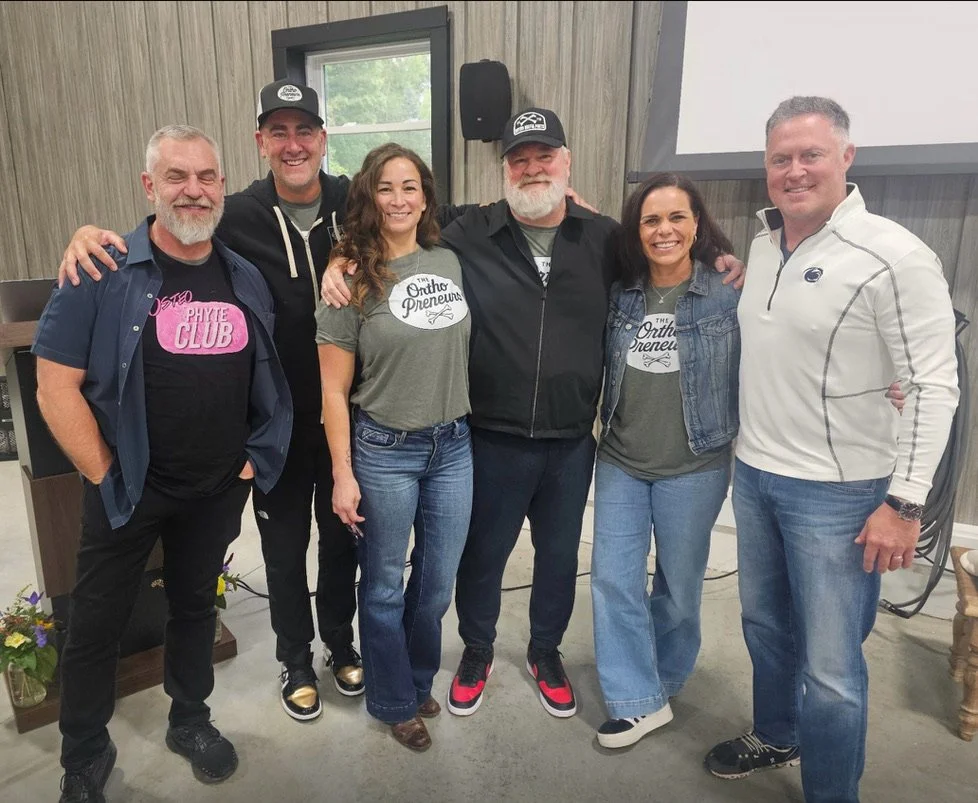
THE Orthopreneurs Symposium
The community of entrepreneurially minded orthopedic surgeons who are building practices, platforms, and careers that are not defined by the constraints of traditional employment. The community where reputation architecture meets real-world application.
-
![A cheerful woman wearing a black cap with 'ORTHO MAFIA POETS' written on it, taking a selfie in front of a large group of diverse people posing on steps in a spacious room with stone walls.]()
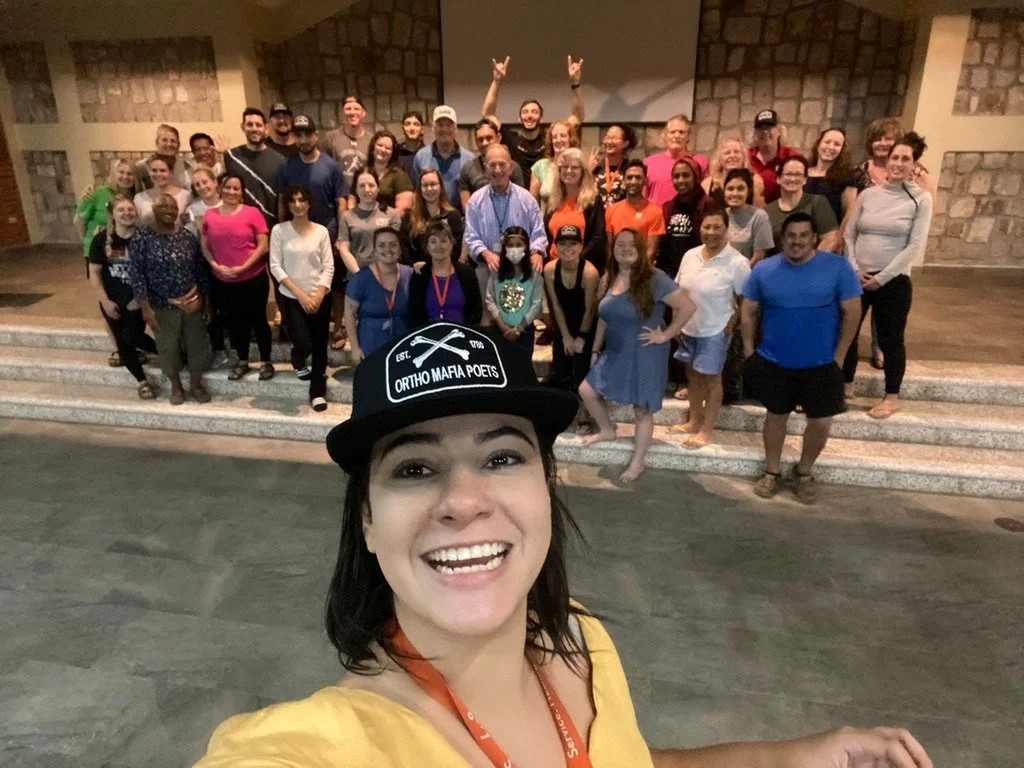
Ortho Mafia Poets
The creative and intellectual community where surgeon voice is developed, refined, and celebrated. Where clinical precision meets narrative authority.
-
![LinkedIn profile header for Matthew Ray Scott, MS, featuring a background image of surgeons performing a procedure, a book titled "Physician Brand Rx," and a tagline "I help surgeons become trusted digital voices and grow their reputation."]()
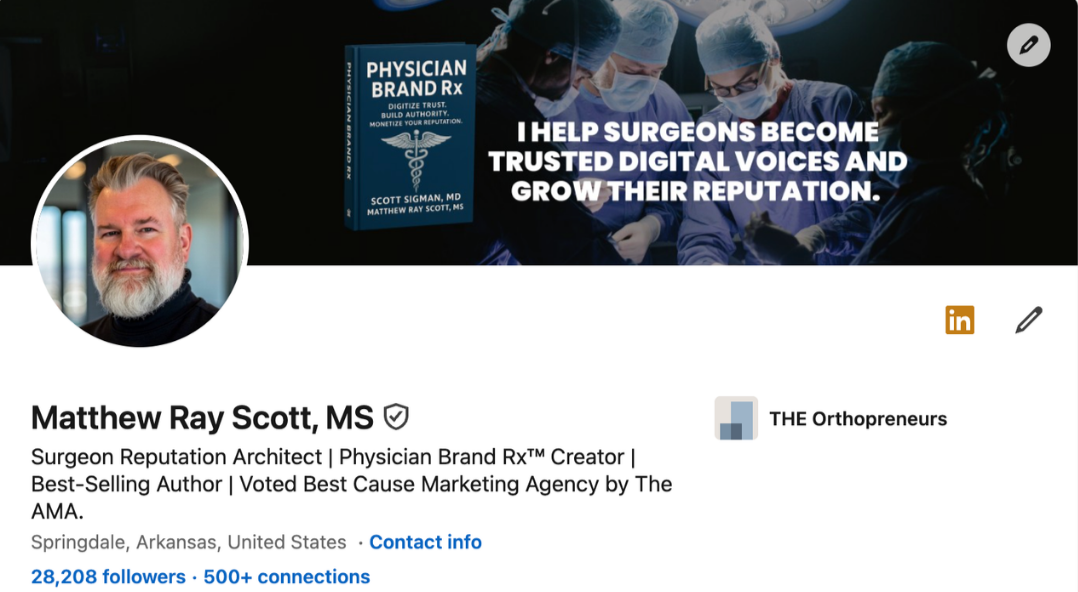
Surgeon Thought Leadership (LinkedIn)
I help surgeons become trusted digital voices - because in today’s world, trust is your currency and reputation is your bank account.



Most people in this space sell marketing to surgeons. Matthew sells the idea that marketing is the wrong frame.
His work begins where most branding conversations end: with a clinical finding about why the current approach isn't working, not a recommendation about what to try next.
This is the distinction that surgeons recognize immediately. They were trained to respect diagnosis more than advice. Physician Brand Rx operates as a diagnostician of the reputation problem itself. It names pathology that surgeons haven't been able to articulate. And it builds the architecture to correct it.
THE DOOR WAS NEVER LOCKED.
IT JUST TOOK SOMEONE TO SAY SO.
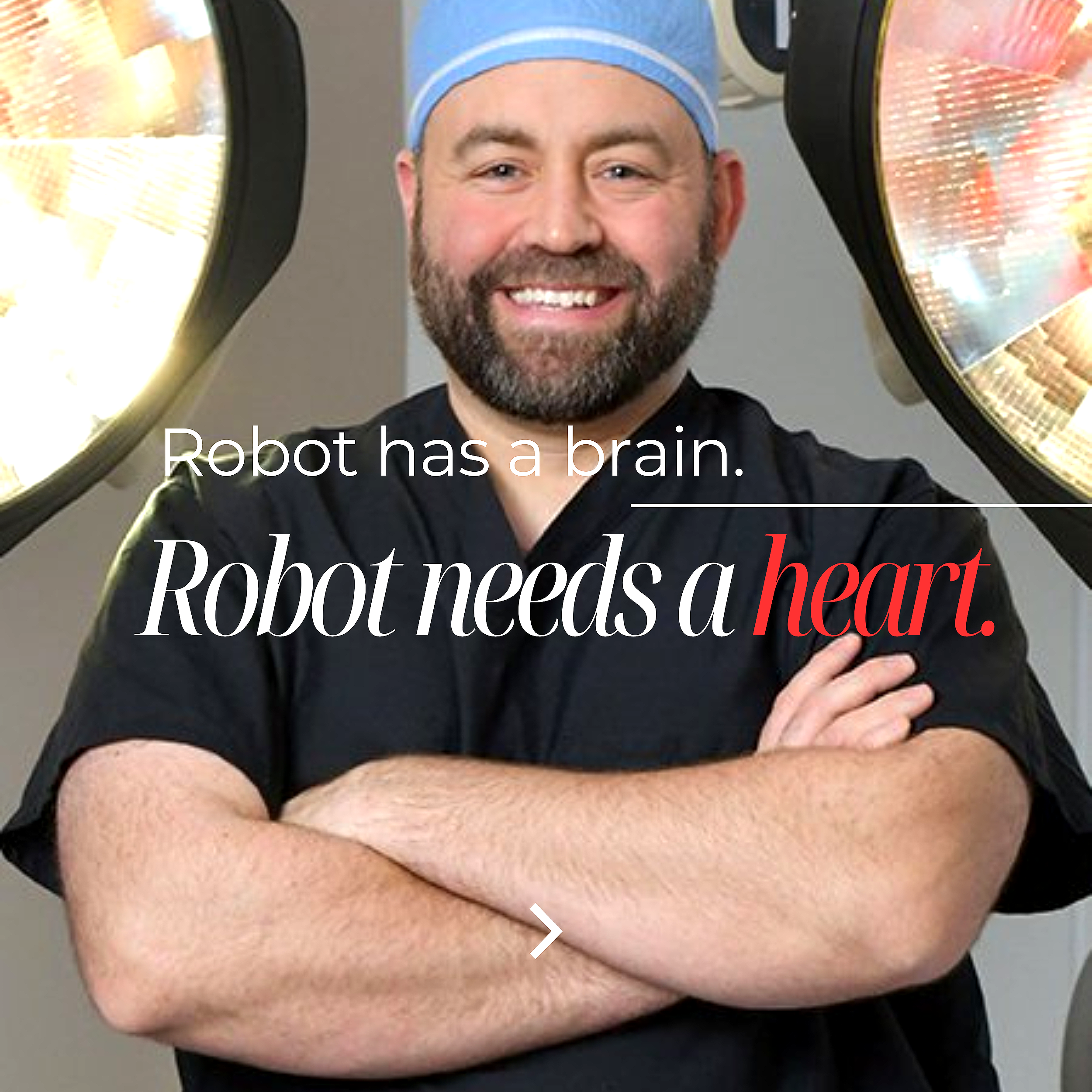
Physician Brand Rx is the system that does that work.
Not for surgeons who want to become something different.
For surgeons who are ready to own what they already are.
You have spent a career building something real. Outcomes that changed lives. A point of view refined by thousands of cases. A clinical philosophy that your patients trust and your peers respect. That is not a personal brand waiting to be built. That is a reputation waiting to be architected.
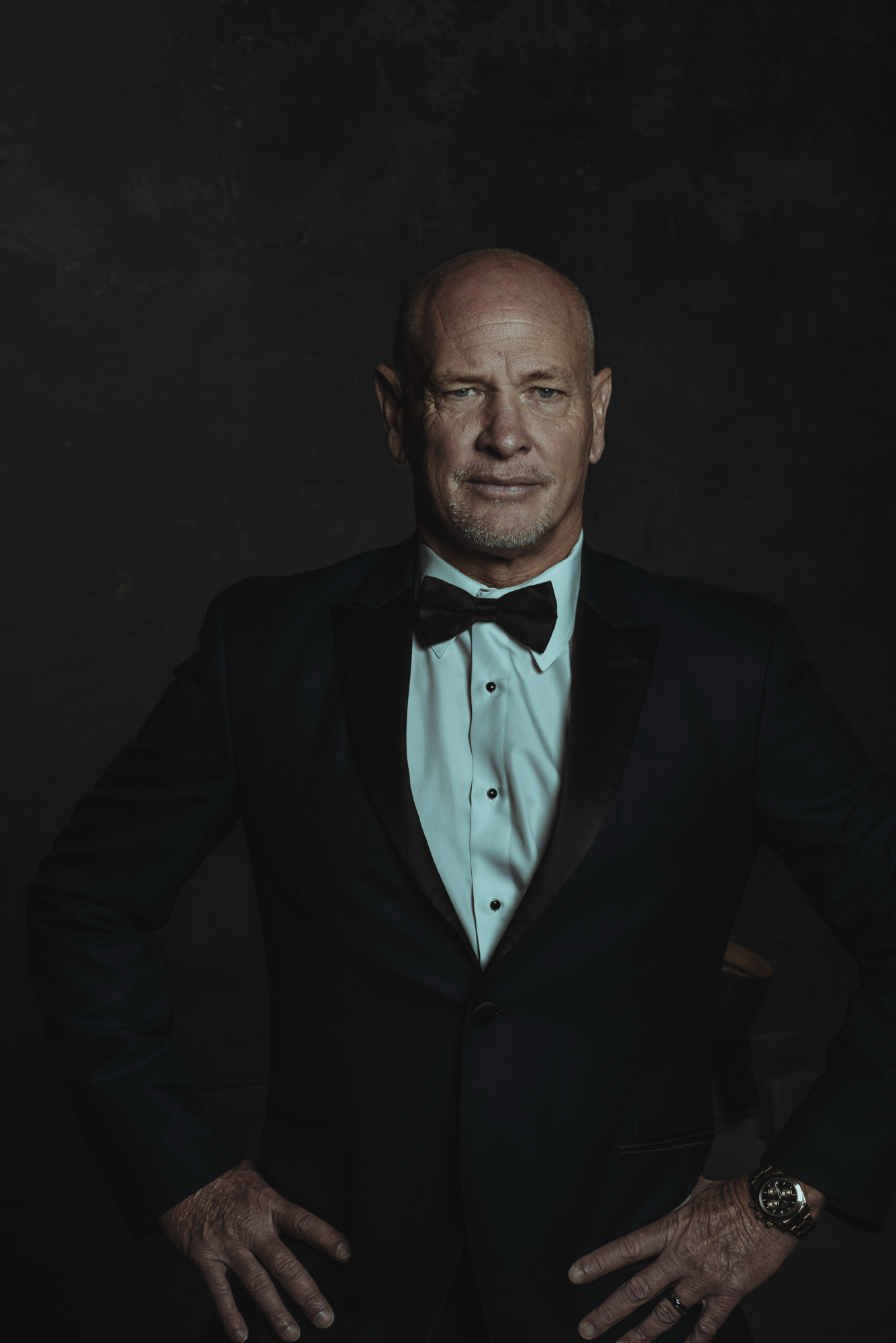
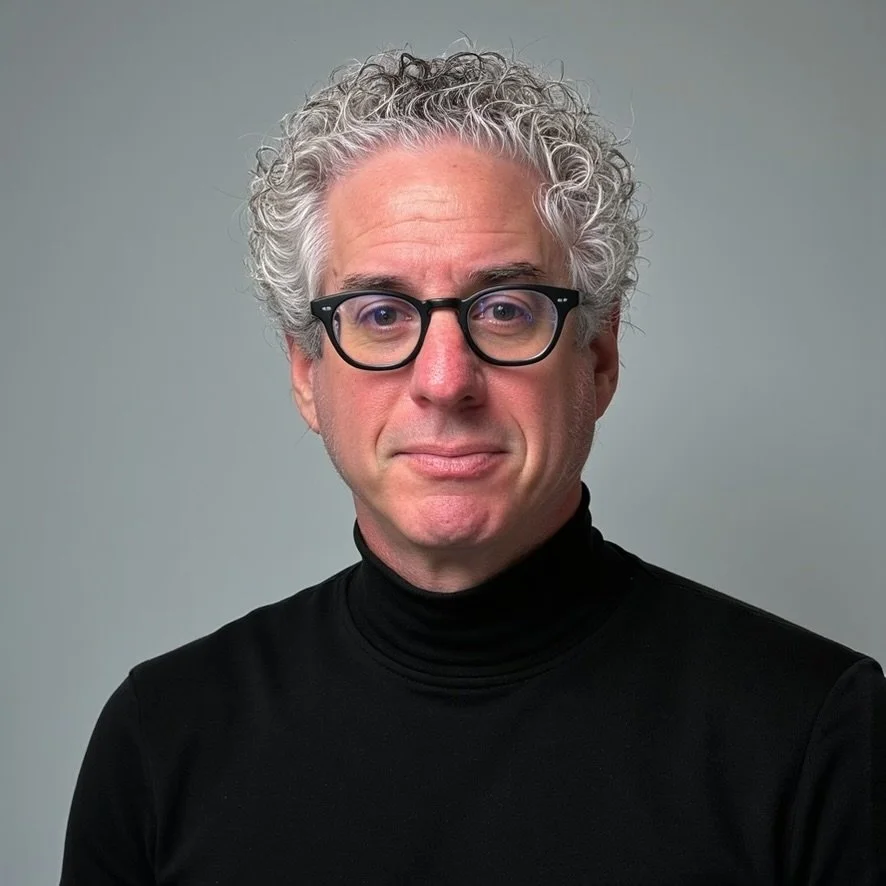
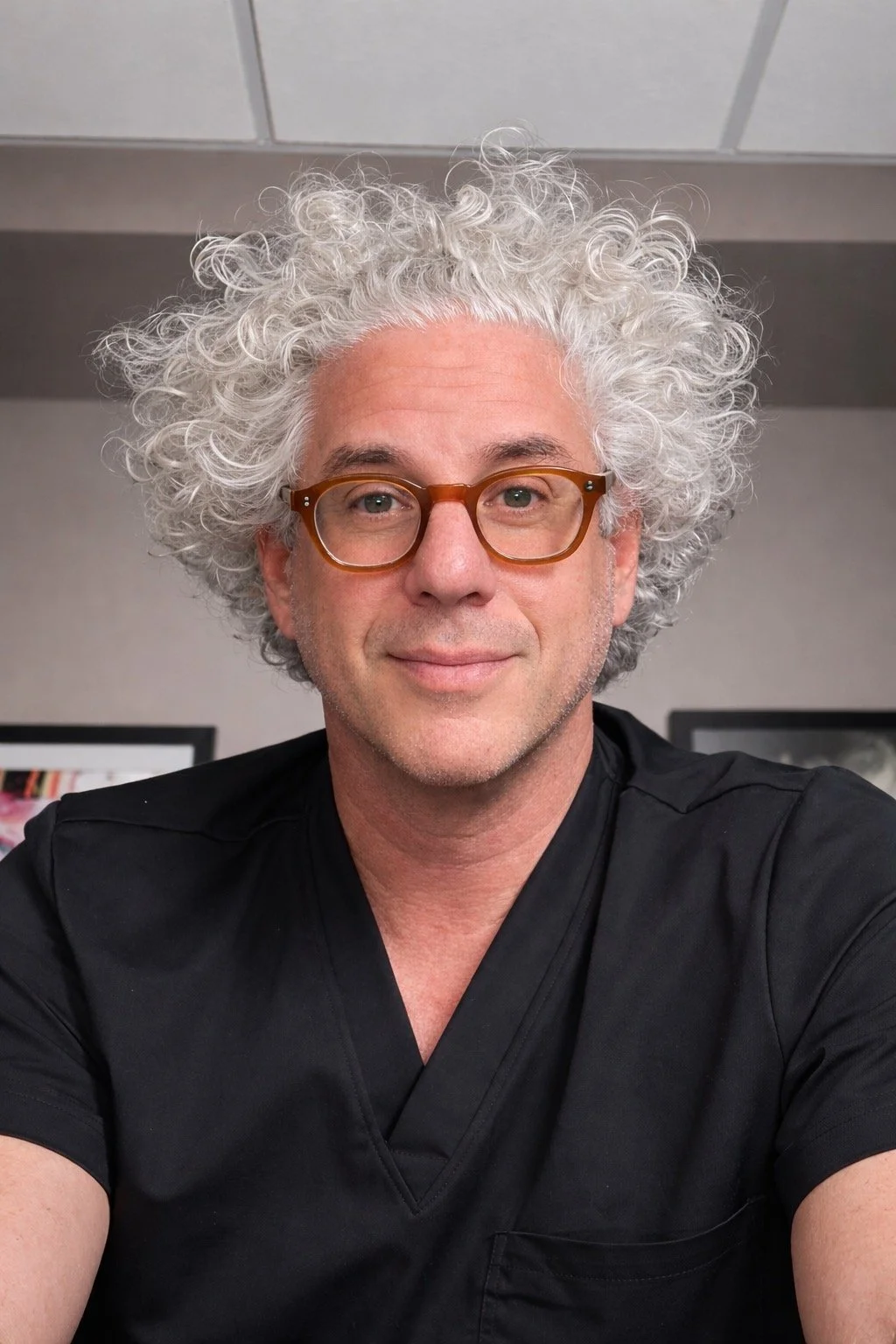
Dr. Scott A. Sigman is an orthopedic surgeon with 27 years of private practice experience and co-author of Physician Brand Rx.
He believes that a surgeon's brand is not separate from their clinical identity; it is the expression of it. Trust, in his view, is the currency of medicine, and reputation is the account from which it's drawn. Physician Brand Rx is the product of that conviction — a diagnostic framework to help physicians understand, protect, and build the professional reputation they've already earned.
Dr. Scott A. Sigman is an orthopedic surgeon with 27 years of private practice experience and co-author of Physician Brand Rx. Having practiced during an era when physician marketing was considered taboo, Dr. Sigman has a front-row perspective on how dramatically the landscape has shifted — and what that shift demands of today's physicians.
The first conversation is not a pitch.
it’s a diagnosis.
We will tell you exactly where the gap is between the clinical reputation you have earned and the authority the market can currently access. We will name what is working, what is being lost, and what the architecture looks like that closes the distance.